

Commercial Reach-In Freezer Maintenance

When you run a restaurant, deli, or grocery in Greeley, you know your reach‑in freezers are more than just appliances; they’re frontline defenders against spoilage. We understand the unique pressure points your gear faces here, and we make it our business to keep that cold chain seamless.

We’re talking about:

  • Avoiding inventory meltdowns during Northern Colorado’s hot spells.

  • Steering clear of unexpected breakdowns that derail operations.

  • Staying ahead of Colorado and local health inspectors.

We’re locals, we’re certified, and we show up ready to preserve your peace of mind, one freezer at a time.
Schedule Service Today

Or Call Us

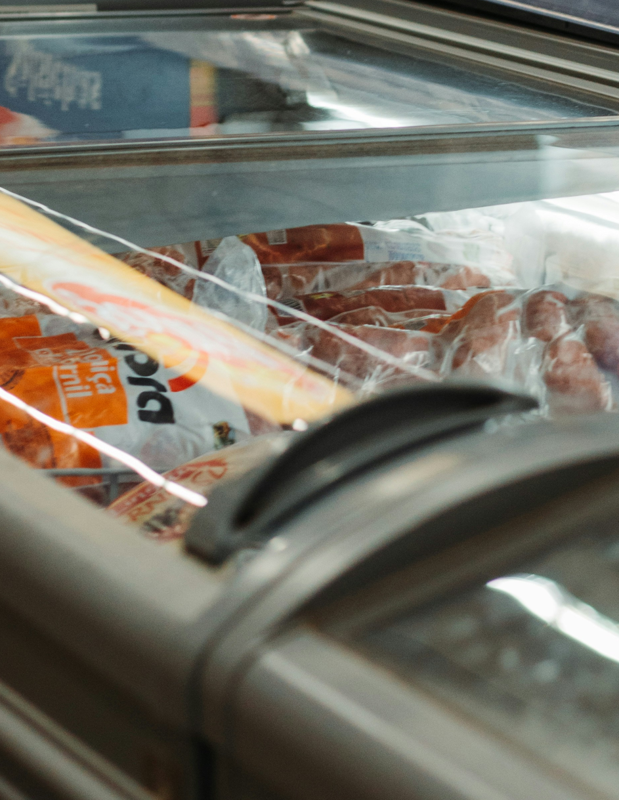
a reach in freezer containing various foods

Detailed Maintenance Checklist

Here’s what you can expect during a visit with us and what you can check between visits.

Daily / Weekly Tasks (Can Be DIY)

  • Door seals & gaskets: Wipe them clean, check for gaps or tears.

  • Temperature logs: Make sure temps stay in your target (−10 °F to −20 °F).

  • Interior/exterior clean‑up: Keeps mold, pests, and residue at bay.

Monthly Tasks

(Contact us about our maintenance programs to learn how we can handle these tasks and more for you on a recurring basis)

  • Fan blades & motors: Dust them off and make sure airflow isn’t stuck

  • Drain pan & lines: Clear any gunk; especially crucial in humid months to prevent mold build‑up.

Quarterly Tasks

  • Inspect hinges/latches: Doors must close tight.

  • Test defrost cycle & thermostats: Make sure your defrost works properly and calibrate temps if drift occurs.

Bi‑Annual / Annual (Technician Visit)

  • Comprehensive system audit: Deep clean, refrigerant leak checks, compressor & control inspection, energy efficiency review.

  • Staff operator training: Review daily checks so your team spots issues early.

Local Refrigeration Challenges in Northern Colorado

  • Scorching summers push condensers into overdrive.

  • High humidity fosters ice build‑up and forces cooling cycles to run overtime.

  • Dusty summer air means condenser coils clog faster.

  • Health and safety inspections hinge on documented maintenance; you need logs and clean coils.

Local Insights & Tips

We like to share a few trade secrets that go beyond the usual maintenance spiel; these are golden rules you won’t find in every brochure:

  • Spring tune‑ups before summer heat hits
    Schedule your deep clean and calibration in April or May, before Northern Colorado’s triple‑digit days ramp up workload on compressors and coils.

  • Stay inspection-ready with logs
    Sign up for our Commercial Ultimate Savings Agreement and submit our records for your inspections, saving you time and effort.

  • Train your team like pro operators
    Teach staff how to do a quick seal check, recognize frost buildup, and how to safely shut off the unit during power dips or outages that occasionally hit Greeley.

get in touch with us

Ready to tackle your home maintenance needs? Schedule your service now and experience expert care! Serving Greeley CO, Windsor CO, Severance CO, Timnath CO, Evans CO, Ault CO, Eaton CO, Loveland CO, Berthoud CO and surrounding areas

testimonials

what our clients say About us

FAQ

How often should I maintain My reach‑in freezer?

We recommend monthly DIY checks (seals, temps, coil cleanliness) and a technician visit every 3–6 months, more often in summer.

What can I do myself vs what needs a pro?

You can handle cleaning seals, checking for loose components,and logging temps. Tasks like refrigerant checks, defrost calibration, and compressor evaluation require certified techs.

Will service disrupt my operations?

Breakdowns will always be disruptive, but with our Commercial Ultimate Savings Agreement, you get front-of-the-line service, so we can get you back up and running as quickly as possible.

Do you service all brands/models?

Yes; our team is certified across major brands and trained specifically on commercial reach‑in freezer systems.

Does maintenance affect health‑code compliance?

Absolutely. Regular logs and signed technician reports help you satisfy health‑inspection requirements and show due diligence.