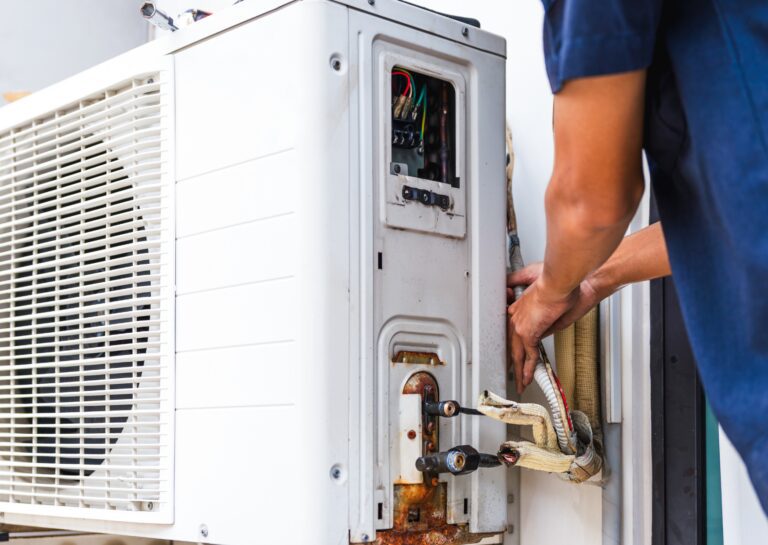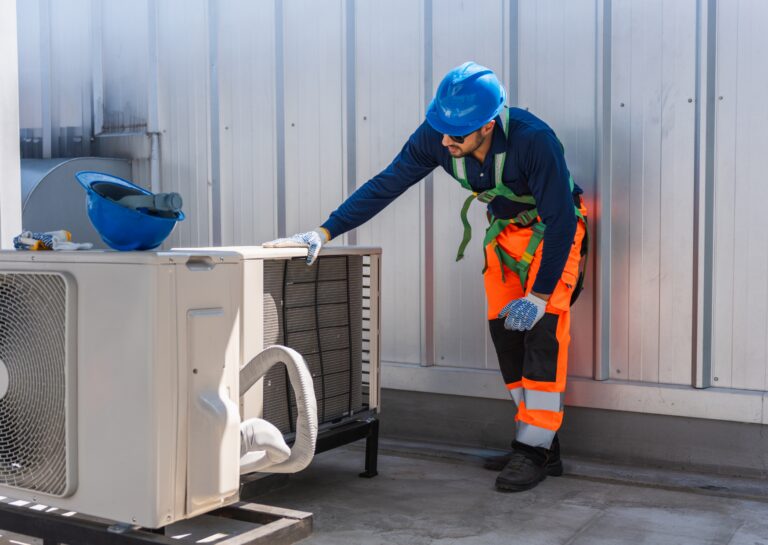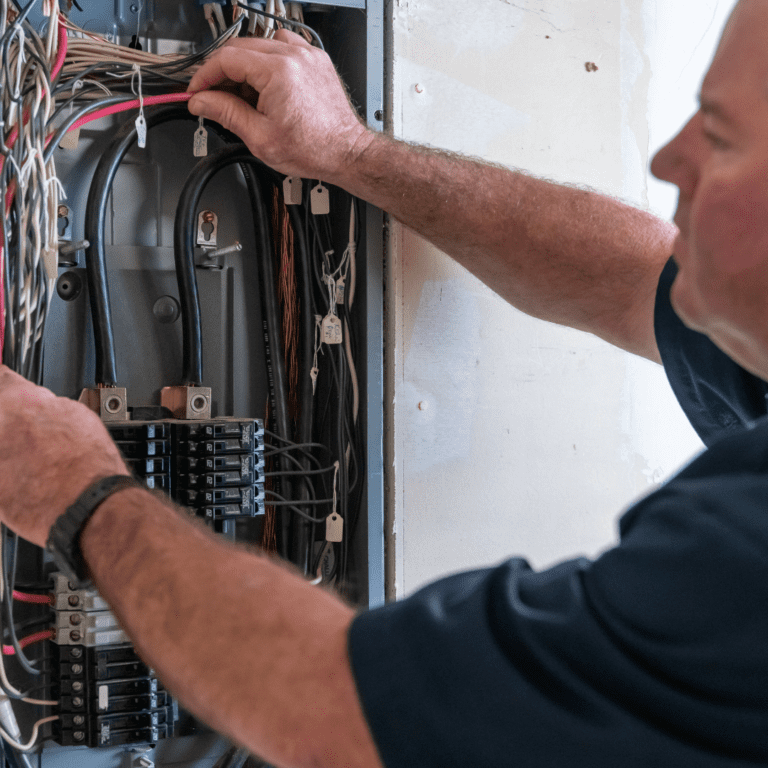

Installing a mini split in Greeley is not something to treat as a plug-and-play upgrade. Because ductless mini-split systems are permanent HVAC equipment, the project may involve permits, inspections, electrical work, rebate paperwork, and warranty registration.
While many homeowners start by comparing equipment options or estimating ductless mini-split cost, the permitting side of the project matters too. The good news is that you should not have to figure it out on your own. When you work with the right HVAC contractor, they should help walk you through the process and handle the important details for you.
Quick Answer: Is a Permit Required to Install a Mini Split in Greeley, CO?
In many cases, yes, you should expect a permit when installing a ductless mini-split in Greeley, especially if the job involves permanent HVAC equipment, new electrical connections, or changes to your home’s mechanical system. For projects handled through the City of Greeley, permit activity and inspections may go through eTRAKiT.
The good news is that you should not have to handle that process yourself. When you work with Origin PHCE, our team helps manage permit coordination, inspection follow-up, rebate support, and warranty registration tied to your new system.
Instead of trying to figure out forms, deadlines, eTRAKiT steps, or jurisdiction rules on your own, the more important step is choosing a contractor who knows the process and walks with you from start to finish.
Are You in the City of Greeley or Unincorporated Weld County?
Permit requirements can change based on where your property is located. A Greeley mailing address does not always mean the City of Greeley handles your permit.
The process may depend on:
- Whether your home is inside Greeley city limits
- Whether your property is in unincorporated Weld County
- Whether electrical work is part of the installation
- How the mini split is being installed
You should not have to sort through that alone. Origin PHCE can help review the scope of your mini-split installation, determine which requirements may apply, and guide the project through the correct process.
That support matters because a mini split may look simple at first, but the permitting path can change depending on your location and project scope.
What Permits May Be Involved In A Mini-Split Installation?
A mini-split installation can involve more than one permit, depending on what the job includes. This is where homeowners can run into confusion if they are left to figure it out alone.
Permit needs may involve:
- A mechanical permit for the HVAC equipment
- An electrical permit for a new circuit, disconnect, or panel-related work
- Additional review if the project goes beyond a standard residential installation
Origin PHCE helps review the full scope of the project, including the indoor and outdoor equipment, electrical needs, placement, and installation requirements. That support can also help you better understand the full ductless mini-split cost, not just the equipment price.
In some homes, a ductless system is part of a bigger comfort conversation, especially if you are trying to improve air quality in a problem room or solve uneven temperatures in an addition, garage conversion, upstairs space, or other hard-to-condition area.
What Origin PHCE Handles During The Mini-Split Permit Process
Once your mini-split installation scope is confirmed, the permit process should not become another project on your plate. Origin PHCE helps manage the details, so you are not left creating portal accounts, filling out forms, uploading documents, or guessing which requirements apply.
Our team helps with:
- Reviewing the project scope
- Confirming which permit steps may apply
- Coordinating required paperwork
- Providing equipment and installation details
- Supporting inspection coordination
- Helping with rebate details when applicable
- Assisting with warranty registration after installation
This is one reason choosing the right contractor matters. Not every company handles permits, rebates, warranties, and inspection coordination the same way.
What Information May Be Needed For The Permit
Depending on the project, the permit office may require details about the property, equipment, installation location, electrical work, and contractor information.
Origin PHCE helps coordinate those details as part of the installation process, so you are not left trying to answer technical questions on your own.
That can include:
- Equipment specifications
- Project scope details
- Placement information
- Electrical information, if applicable
- Contractor license details
- Required installation documentation
Having the right information prepared helps keep the project moving and reduces the chance of avoidable delays.
Inspections, Quality Control, And Final Documentation
Once the permit is issued, the process is not finished. Inspections may still be required to confirm the system was installed safely and in line with local requirements.
Origin PHCE helps manage this part of the process, including:
- Coordinating required inspections
- Following up when needed
- Confirming the correct equipment was installed
- Reviewing the completed installation through our own quality control process
- Helping organize permit, inspection, warranty, and system paperwork
This documentation can be helpful later if you sell your home, schedule service, or need to show that the installation was completed properly.
Common Reasons A Mini-Split Permit Or Inspection Can Get Delayed
Even a straightforward mini-split project can hit a snag if the permit details are incomplete or the process is not handled correctly.
Common issues include:
- Incomplete permit applications
- Missing equipment details or attachments
- Vague project descriptions
- Unpaid fees
- Delayed inspection scheduling
- Assuming a contractor pulled the permit when no application was submitted
That is why it helps to work with a contractor who understands the process and handles these details from the beginning. Origin PHCE helps reduce confusion by coordinating the permit, inspection, rebate, and warranty steps tied to your installation.
Choose A Contractor Who Handles The Full Process
Before installation day arrives, it is worth looking beyond the equipment quote. The right contractor should not only install the system correctly, but also help manage the permit, inspection, rebate, and warranty details that come with the project.
That is especially important if your air conditioning needs attention and you are replacing older equipment or adding a new system to solve comfort problems.
When comparing contractors, ask about:
- Proper HVAC licensing
- EPA Section 608 certification for refrigerant handling
- Electrical licensing when new circuits or disconnects are involved
- Proof of insurance
- Who handles permits and inspections
- Whether rebates and warranty registration are included
This step helps protect your installation, documentation, warranty, and peace of mind if questions come up later.
Mini-Split Installation Is Different From Routine Service
A mini-split installation is different from a standard service visit. If you are scheduling an AC tune-up, filter change, or routine AC check-up, the project usually does not follow the same permit path as a full installation.
A ductless mini-split installation is different because it may involve permanent equipment, refrigerant lines, electrical connections, and inspection requirements. That is why it helps to work with a contractor who can review the full scope and manage the process correctly.
Final Thoughts on Do You Need a Permit for a Mini Split Installation in Greeley, CO
If you are planning a mini-split installation in Greeley, a permit may be required depending on your property location, the scope of the installation, and whether new electrical work is involved.
But the bigger takeaway is this: you should not have to figure out the process alone. Mini-split systems are permanent HVAC equipment, so permits, inspections, rebates, and warranty registration may all be part of the project.With Origin PHCE, our team helps manage those details so you can focus on choosing the right system for your home. If you need help planning your mini-split installation, call Origin PHCE at 970-235-0573 to discuss your project and get clear guidance before moving forward.