

Homeowners across Northern Colorado are upgrading their HVAC systems to Heat Pumps and asking the same question:
Should I go all electric Heat Pump or a gas back up (Dual Fuel) Heat Pump System?
With energy costs changing and more homeowners focused on environmental impacts, efficiency, comfort, and long-term value, heat pumps are becoming one of the most popular options in Fort Collins, Loveland, Windsor, Timnath, Wellington, Berthoud, Johnstown, Severance, and Greeley.
This guide breaks down the key differences between electric heat pumps vs dual fuel heat pumps, the pros and cons of each, and how to choose the best option for your home.
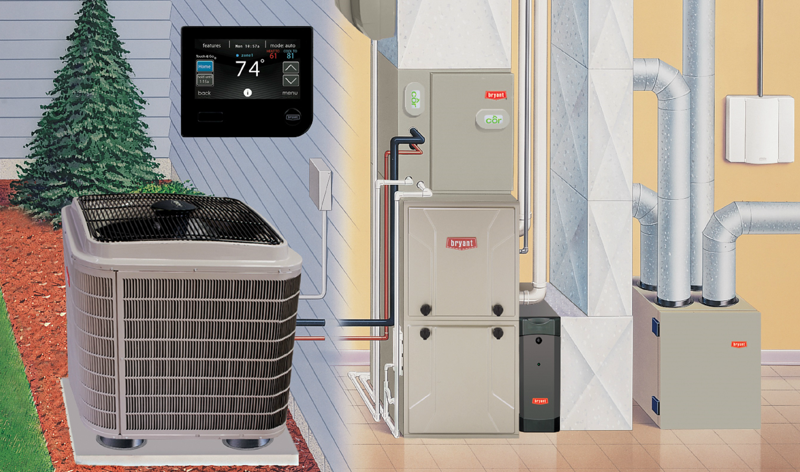
The common thread with both systems is the heat pump itself. A heat pump uses electricity to move refrigerant between the outdoor coil and indoor coil, absorbing heat from one space and releasing it to another. In Heating mode, it absorbs heat energy from the outside and releases that heat to the inside. In cooling mode it’s the opposite, absorbing heat energy from the inside and releasing it to the outside. Modern advances in technology allow this to happen at higher efficiency levels then ever before.
That means a heat pump can provide:
Most heat pump systems do require a backup heat source, because at some point of outdoor temperature, the heat pump may not be able to absorb enough heat to move indoors to effectively heat the space, thus requiring some sort of back up heat. This is where the decision comes in, do I use resistive electric heat for back up or do I use another common source such as natural gas or propane?
As stated above, most Heat Pump Systems will require a backup fuel source if and when the Heat Pump is not able to provide sufficient heat to the building. So, lets take a look at some pros and cons of choosing electricity as the back up source vs. gas furnace as the backup source.
All electric heat pump
Pros of an all-electric heat pump with electric heat as back up
Cons of an all-electric heat pump
Pros of a dual fuel heat pump system
Cons of a dual fuel heat pump
What to know:
All Electric systems, while highly efficient, does not mean that they are the least expensive to operate. This may seem contradictory, but with gas prices where they are currently, you still get more BTUs per dollar from gas at lower temperatures.
Eliminating gas out of the equation completely will likely cost more in operation costs in most situations. Significant solar PV can be an exception.
There are many factors to take into consideration when choosing a heating system for your home.
These are the most common things to think about when making your decision. A trained comfort consultant can help you navigate these things and help to design the perfect system that makes the most sense for your situation.
Yes. A properly sized cold climate heat pump can perform very well in Northern Colorado. Many homeowners add backup heat for extra comfort during extreme cold snaps.
Often, yes. Backup heat helps your home stay comfortable during the coldest days. Backup can be natural gas, propane, or electric heat strips depending on your setup and goals.
Yes. Propane can be used as backup heat in a dual fuel heat pump system, especially for homes without natural gas service.
First and foremost, choosing the right contractor is most important. The biggest factors are proper sizing, cold-weather capacity, ductwork airflow, and choosing the right backup heat strategy for your home.
Some homeowners may qualify for rebates or incentives that can reduce the cost of upgrading to a heat pump system. Rebates change over time and depend on the system type and eligibility.
If you want to explore potential savings, visit our rebates page:
An electric heat pump not only powers the heat pump but also uses electricity as the backup. A dual fuel heat pump uses a natural gas furnace to back up the heat pump. Dual fuel heat pumps are much more common in Northern Colorado homes.
Yes. Cold climate heat pumps are designed to provide heat at low temperatures, and backup heat can support the system during extreme cold snaps.
A dual fuel heat pump uses an electric heat pump for efficient heating most of the season and switches to gas for backup heat, usually natural gas or propane, when outdoor temperatures drop.
Yes. A heat pump with propane backup is a common dual fuel option for homes without natural gas service.
It depends on your energy rates, insulation, solar power and outdoor temperatures.
Heat pumps are very efficient in mild and moderate weather, while natural gas may be more cost-effective during extreme cold depending on utility rates and time of day billing structures.
Need help determining what’s best for you home or business? We can help navigate the process and plan an efficient system best for you at the best price possible.
Origin Plumbing Heating Cooling Electrical are heat pump experts and preferred contractors for the state of Colorado rebate programs.